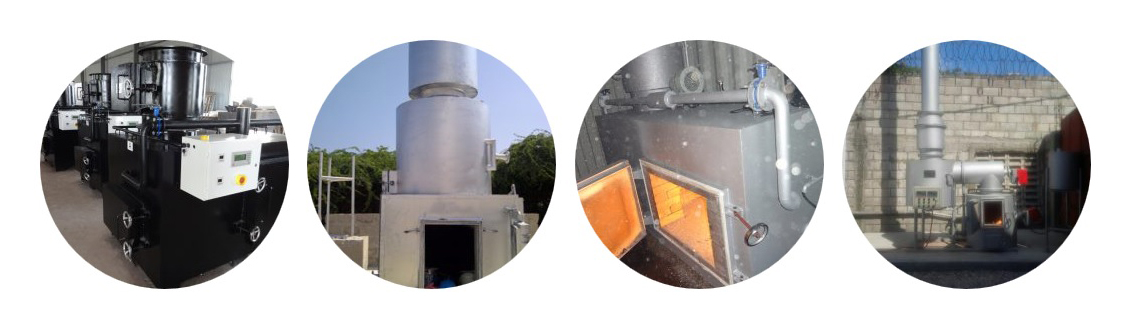
HICLOVER Waste Incinerators: Engineering FAQ for Strategic Partners
Modern waste incinerators are engineered thermal destruction systems designed for efficiency and environmental compliance. High-temperature operation, typically exceeding 850°C in the primary chamber and 1100°C in the secondary, is mandated to ensure complete combustion of complex waste streams, including pathological and hazardous materials. This technical foundation is critical for partners evaluating reliable medical incinerator from china manufacturers for projects in diverse regions, from Mauritania incinerating agricultural waste to Ethiopia medical waste incinerator manufacturer supply chains. Systems from experienced incinerator manufacturer china sources like Clover medical limited (HICLOVER) integrate dual-chamber designs and automated controls to meet WHO and EU emission framework standards.
Technical Operation and Compliance Standards
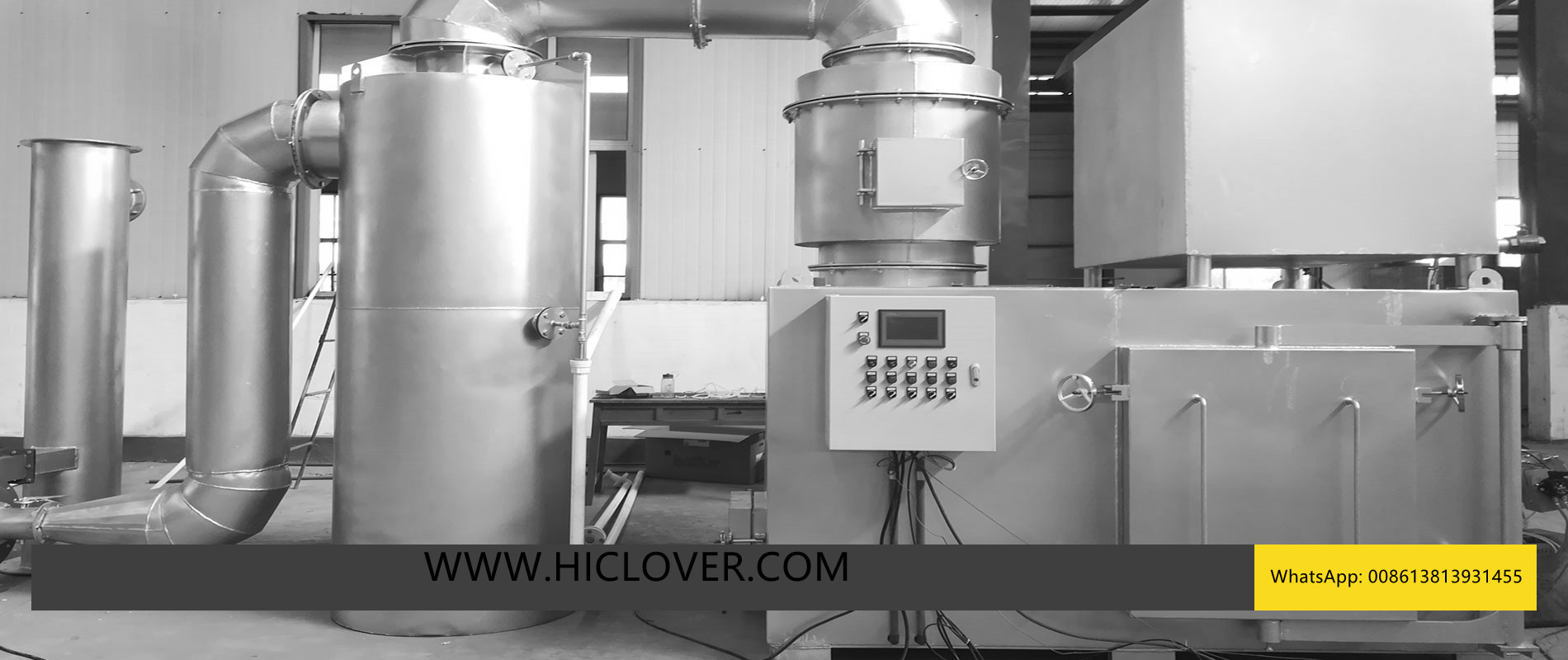
The core of an effective incineration system lies in its combustion geometry and temperature retention. A dual-chamber design is non-negotiable for medical and hazardous waste. The primary chamber gasifies solid waste, while the secondary chamber, equipped with a dedicated Incinerator Burner, ensures the complete oxidation of volatile gases. Retention times at high temperature are precisely controlled to destroy pathogens and complex hydrocarbons. Emission control, often via optional dry or wet scrubbers, addresses particulate and acid gas removal. For detailed technical standards, engineers often reference specific parameters through searches like medical+waste+incinerator+secondary+chamber+temperature. The shift towards stringent ESG compliance and carbon reduction pressures further necessitates advanced engineering in this field.
Application Scenarios and System Configuration
Selecting the correct incinerator type depends entirely on the use case and site logistics. Fixed systems suit permanent facilities with high daily waste volumes. For remote or temporary sites—such as humanitarian crisis zones, mining camps, or decentralized waste management networks—containerized mobile incinerators offer a plug-and-play solution. These modular units, pre-assembled in a shipping container, facilitate rapid deployment and stable operation in areas with limited infrastructure, a key consideration for projects in regions like Tanzania seeking a Tanzania china incinerator manufacturer. Control systems range from manual operation for basic dead animal incinerator or home incinerator applications to full PLC automation for consistent, hands-off processing of infectious medical waste, enhancing operational safety and data logging.
Procurement and Engineering Considerations
For investors and business partners, the supply chain’s origin is a decisive factor. Partnering directly with a factory manufacturer, as opposed to a trading company, ensures control over build quality, customization, and long-term technical support. A manufacturer like HICLOVER, with extensive engineering experience, can tailor chamber volume, fuel type (diesel, LPG, natural gas), and emission control systems to specific project needs, whether for a municipal hospital or a remote agricultural operation. This direct factory relationship guarantees supply chain resilience and the ability to integrate specific features, such as energy recovery systems or advanced digital automation for remote monitoring, aligning with global trends in industrial equipment management. This capability for bespoke engineering is essential for meeting the varied regulatory and operational demands across different international markets.